

14 Common Misconceptions About Window Condensation
Window Condensation Repair: Understanding Causes, Solutions, and Prevention
Window condensation can be a common issue within homes, particularly in areas experiencing considerable temperature fluctuations. While it might appear merely as a short-lived annoyance, relentless condensation can lead to a variety of issues including mold development, mildew, and even structural damage. This extensive guide explores the reasons for window condensation, identifies effective repair solutions, and supplies preventive procedures to keep your windows dry and clear.
Understanding Window Condensation
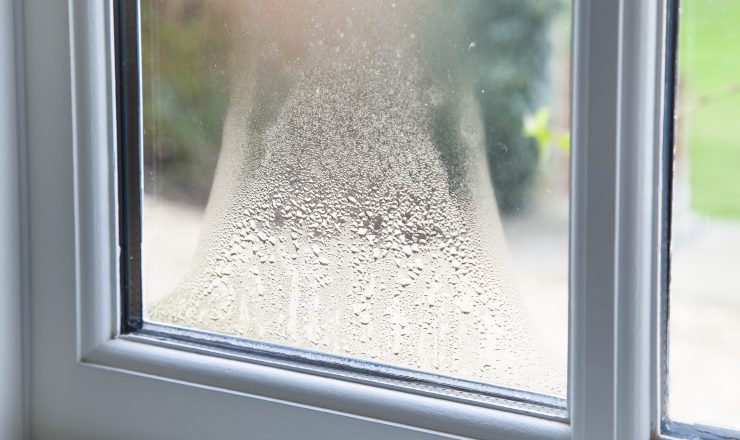
Before diving into repair approaches and preventive strategies, it is essential to understand what triggers window condensation. Typically, condensation happens when warm, damp air enters contact with a cool surface area. The moisture in the air then condenses into water beads, which can accumulate on windows. This can happen for several factors, which can be categorized as follows:
-
Environmental Conditions:
- High humidity levels in the home resulting from cooking, bathing, or drying clothes indoors.
- Outside weather, such as rain, snow, or fog, that create significant temperature level differences.
-
Poor Ventilation:
- Insufficient air flow can result in wetness within the home, increasing humidity levels.
-
Window Problems:
- Inefficient window insulation, which can be brought on by aging frames or harmed seals.
- Single-pane windows, which are highly vulnerable to condensation.
-
Thermal Bridging:
- Heat loss in particular locations of the home can cause the interior surface area of the window frame or glass to cool off excessive, causing condensation.
Comprehending these causes can assist property owners recognize the most appropriate approaches for repair and avoidance.
Repair Solutions for Window Condensation
As soon as the source of the condensation has been recognized, taking restorative action becomes important. Here are some reliable methods for repairing and alleviating window condensation:
1. Enhance Ventilation
Increasing air circulation within the home can substantially decrease humidity levels:
- Install Exhaust Fans: Use exhaust fans in locations vulnerable to high moisture, such as kitchens and restrooms, to expel damp air.
- Open Windows Regularly: Whenever weather allows, open windows to let moist air escape and allow fresh air to get in.
- Use Dehumidifiers: These can be particularly beneficial in spaces like basements or laundry spaces where humidity levels tend to be high.
2. Improve Insulation
Upgrading insulation can assist keep consistent temperature levels inside the home, therefore reducing condensation:
- Replace Old Windows: Consider setting Fogged Up Windows double-glazed or triple-glazed windows that provide much better insulation than single-pane choices.
- Weatherproofing: Apply weather condition removing around window frames or utilize caulking to seal any gaps where air might escape.
3. Utilize Anti-Condensation Treatments
Numerous products can assist decrease the incident of condensation:
- Anti-Condensation Window Film: This item can be used to the glass to enhance insulation.
- Hydrophilic Coatings: These unique finishes draw in water molecules, triggering condensation to spread out evenly across the glass and vaporize rapidly.
4. Routine Maintenance
Routine checks and repairs can maintain window efficiency and avoid condensation:
- Inspect Seals and Frames: Regularly examine the Misted Window Replacement seals for any indications of damage or decay. This includes replacing split or broken seals.
- Clean Windows: Keeping windows tidy can decrease the build-up of contaminants that may draw in moisture.
Regularly Asked Questions (FAQs)
1. What is the difference in between window condensation and window fogging?
Answer: Window condensation describes water beads forming on the inside of the window due to humidity. Window fogging, on the other hand, typically explains the misty look that occurs when moisture sneaks in between panes of glass in double or triple-pane windows and shows a seal failure.
2. Can I avoid window condensation in older homes?
Response: Yes, while older homes may have their challenges, improving ventilation, utilizing dehumidifiers, and improving insulation can considerably help in reducing condensation. Routine maintenance of windows is also essential.
3. How do I know if my window seals are broken?
Response: Signs of broken Window Repair Service seals consist of condensation or fog between the panes of sealed windows, staining, or increased drafts. If you notice these indications, think about seeking advice from a professional.
4. Is window condensation hazardous?
Answer: While occasional condensation may not be harmful, constant moisture can cause mold development, wood rot, and deterioration of Window Condensation Repair; 1v34.com, frames, which can trigger more considerable structural issues in time.
5. Should I repair or replace my windows?
Response: This largely depends on the degree of the damage. If your windows are old and have several issues, a complete replacement might be more economical in the long run. However, if condensation is limited to seal failure, repair might suffice.
Prevention Tips
To avoid future occurrences of window condensation, consider the following suggestions:

- Monitor Humidity Levels: Use a hygrometer to keep indoor humidity between 30-50%.
- Usage Exhaust Fans: Ensure that fans are running throughout activities that produce moisture.
- Frequently Check Windows: Implement a regimen of checking windows for any possible problems.
Window condensation can be a discouraging issue, however understanding its causes and carrying out efficient repair solutions can mitigate its influence on the home. By improving ventilation, improving insulation, and frequently keeping window quality, property owners can substantially lower the occurrence of condensation. Prevention is far simpler than repair, so taking proactive steps ensures a comfy environment and secures the stability of your home.
| Element | Actions |
|---|---|
| Ventilation | Install exhaust fans, open windows, dehumidifiers |
| Insulation | Change old windows, weatherproofing |
| Anti-Condensation | Use window movies and hydrophilic coverings |
| Routine Maintenance | Check seals and frames, tidy windows |
By following these standards, homeowners can enjoy clearer views and a healthier living environment complimentary from excess moisture.
