

The 10 Most Terrifying Things About Buy Driver License
Understanding the Process of Buying a Driver License: A Comprehensive Guide
In today’s significantly mobile society, possessing a valid driver’s license is typically considered a requirement. It offers people with the freedom to browse their environments, access job opportunities, and bring out daily activities with ease. Nevertheless, the concept of obtaining a driver’s license can be stuck in confusion and aggravation, particularly for those unknown with the traditional application paths. In spite of some deceptive narratives that recommend the option to just “Buy Driver license” a driver’s license, comprehending the legal paths and the ramifications of such choices is essential for anybody looking for to strike the roadway legally.
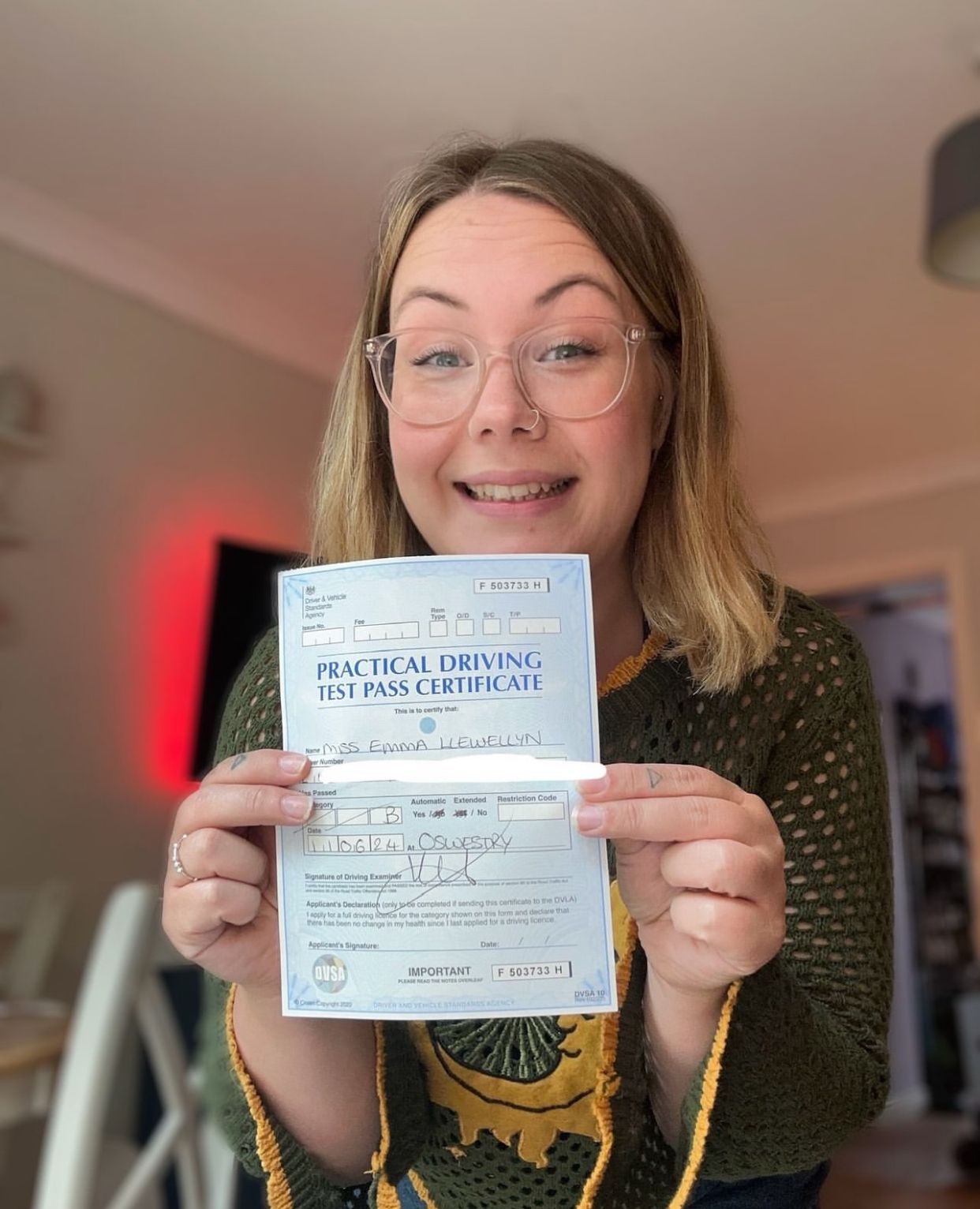
The Importance of a Valid Driver’s License
A driver’s license serves numerous important functions:
-
Legal Identification: It acts as a government-issued identification document, accepted broadly for numerous purposes, consisting of ballot and financial transactions.
-
Evidence of Driving Competence: The license indicates that the holder has passed the necessary driving exams, demonstrating their capability to operate a car securely.
-
Insurance Requirement: Most states require drivers to possess a valid driver’s license to protect car insurance coverage, which is obligatory for roadway usage.
-
Traffic Laws Compliance: A driver’s license reassures police that people have actually gone through the necessary training to understand and comply with traffic laws.
Legal Pathways to Acquiring a Driver’s License
In pursuit of driving opportunities, there are legitimate procedures one can follow to obtain a driver’s license:
1. Student’s Permit:
- This is frequently the primary step for new drivers. A student’s permit allows people to practice driving with a certified adult present.
- To obtain a student’s license, candidates generally need to:
- Be of a certain age (typically 15 or 16).
- Pass a composed understanding test.
- Provide essential documentation, such as proof of identity and residency.
2. Driver Education:
- Enrolling in a driver education course can provide essential understanding about road guidelines, safety protocols, and lorry operation.
- Conclusion of this course may be a requirement for obtaining a complete driver’s license in many jurisdictions.
3. Roadway Test:
- After maintaining the learner’s license for a given period and logging the needed driving practice hours, individuals can schedule a road test.
- Passing this test is essential for getting a full, unrestricted driver’s license.
4. Documentation:
- Applicants will normally require to provide:
- Identification files (like a birth certificate or passport).
- Evidence of residence.
- Social Security number.
- Any previous driving records, if suitable.
5. Fees:
- There are usually charges associated with the application process, which may vary by state.
The Risks of Buying a Driver License
While the idea of buying a driver’s license might initially seem enticing, it is accompanied by substantial risks and possible repercussions:
-
Legal Ramifications: Purchasing a driver’s license beyond the established legal channels is unlawful. People captured in this act may deal with extreme penalties, including fines or jail time.
-
Identity Theft Risks: Many deceptive deals on the internet involve identity theft, where individuals may unintentionally expose their individual information.
-
Insurance coverage Issues: Without a genuine driver’s license, acquiring car insurance can be impossible. Driving without insurance coverage can result in substantial fines and liability for accidents.
-
Increased Risk of Accidents: Without the requisite training and testing associated with obtaining a legitimate license, inexperienced drivers pose a risk to themselves and others on the road.
Frequently asked questions About Acquiring a Driver License
1. Can I drive without a driver’s license?
No, driving without a valid driver’s license is illegal in most jurisdictions. It can result in fines and extra charges.
2. For how long does it require to get a driver’s license?
The timeline can vary depending upon the individual’s state of house, stockpile at the Department of Motor Vehicles (DMV), and how rapidly the candidate finishes the essential steps. Generally, the entire process may take several months from acquiring a learner’s authorization to scheduling and passing the roadway test.
3. Can I utilize my out-of-state driver’s license in another state?
Yes, many states permit individuals to drive with an out-of-state license for a certain period. Nevertheless, if you end up being a local of the new state, you will need to obtain that state’s driver’s license.
4. What should I do if my driver’s license is lost or taken?
You ought to report the loss or theft to your local DMV and follow their procedure for getting a replacement. This typically involves confirming your identity and paying a little fee.
5. Exist age constraints for acquiring a driver’s license?
Yes, each state has minimum age requirements. Normally, people can start the procedure with a learner’s license at age 15 or 16, but full licenses are usually given at 18 or 21.
Concluding Thoughts
While the allure of just buying a driver’s license may exist in some circles, the involved threats and legal ramifications make this choice unadvisable. Instead, understanding and following the genuine paths to getting a driver’s license is the most safe and most accountable approach. Whether through a teen’s preliminary journey towards self-reliance or an adult seeking to regain driving opportunities, navigating the correct channels not just guarantees compliance with the law however also promotes accountable and educated drivers. Thus, possible drivers are encouraged to invest their time and effort into the legal procedure, ensuring a brilliant and lawful future invested on the open road.
