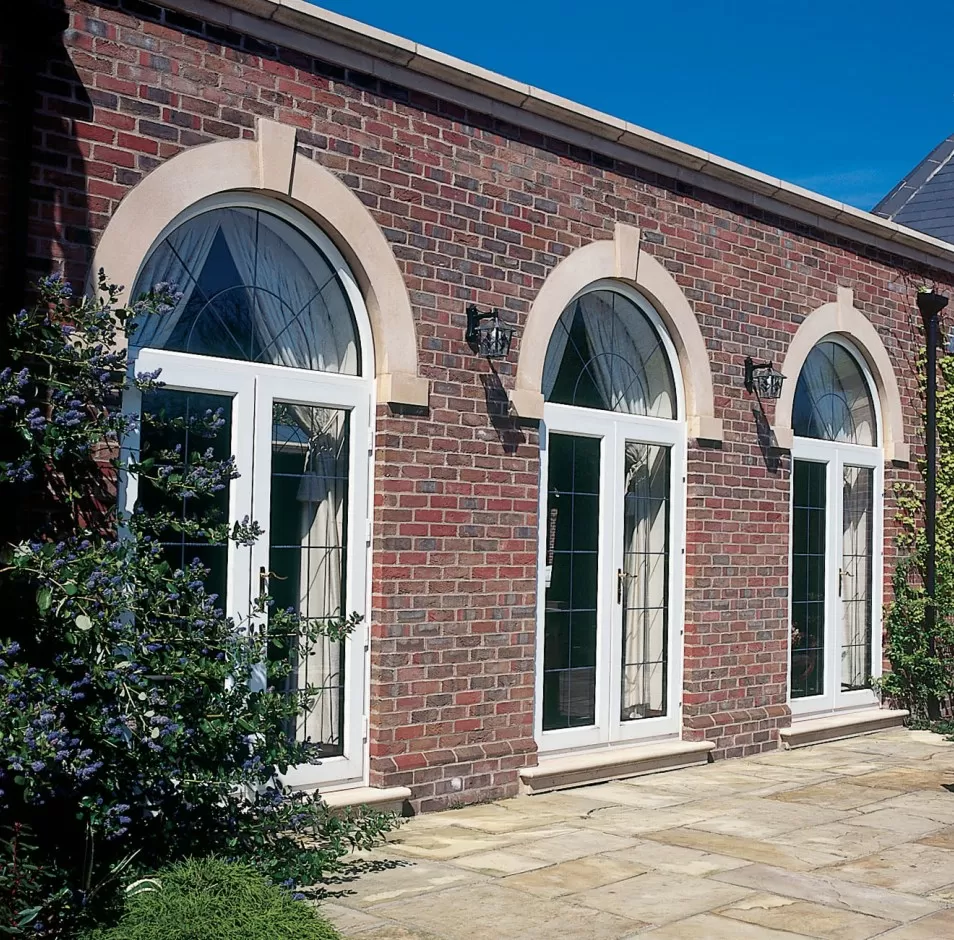
Guide To French Door Carpenters: The Intermediate Guide On French Door Carpenters
Understanding the Role of French Door Carpenters: Craftsmanship and Expertise
French doors are more than simply an entrance or exit; they are architectural functions that welcome light and improve the charm of any area. To efficiently install or repair these exquisite doors, proficient artisans referred to as French door carpenters are important. This post explores the knowledge required for French door woodworking, the advantages of professional installation, and some regularly asked questions about this specialized trade.
What is a French Door Carpenter?
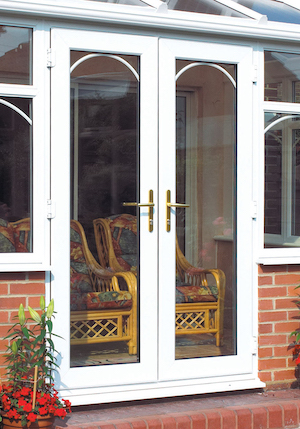
A French door carpenter is a specific carpenter trained in the style, installation, and repair of French doors. French doors are defined by their double door setup with large glass panels, which enable for optimum light and visual connection between indoor and outside areas.
The Importance of Professional Installation
Although property owners might consider tackling French door setups as a DIY task, the complexities included demand the proficiency of a qualified French door carpenter. Here are a few factors why professional installation is crucial:
-
Expertise: French door carpenters have a deep understanding of structure, materials, and aesthetics that permits them to select the right doors for a specific task.
-
Precision: The installation of French doors requires a high level of precision to ensure proper positioning and performance. This is especially important to avoid issues such as drafts or difficulty in opening and closing.
-
Material Selection: French door carpenters can advise the optimal materials– wood, fiberglass, or aluminum– based on the property owner’s preferences, budget plan, and particular environment conditions.
-
Code Compliance: Carpentry work including door installation should follow regional building codes and regulations. Professional carpenters recognize with these codes, thus making sure that the installation is compliant.
Advantages of French Doors
French doors provide a myriad of advantages, making them a popular choice for homeowners. Here are some notable advantages:
-
Aesthetic Appeal: French doors substantially enhance the visual appeal of a home, providing a sophisticated transition in between indoor and outside spaces.
-
Natural Light: With their big glass panels, French doors enable for an abundance of natural light, making interiors feel brighter and more welcoming.
-
Flexibility: They can act as interior doors separating spaces or as exterior doors leading to patios or gardens. This adaptability contributes to their appeal.
-
Energy Efficiency: Modern French doors can be equipped with energy-efficient glass, which assists in managing indoor temperatures and minimizing utility costs.
Key Considerations for Choosing French Doors
When selecting French doors, several aspects should be thought about:
-
Material: Options typically consist of strong wood, fiberglass, or vinyl, each with its own set of advantages and disadvantages.
-
Design: French doors can be found in various styles– traditional, modern, or even custom designs– to fit the visual appeals of the home.
-
Size: The dimensions of the doorway must be considered to ensure a correct fit.
-
Hardware: Options for doorknobs, locks, and hinges can differ substantially, impacting both functionality and style.
-
Glazing Options: From clear to frosted glass, or double-pane for insulation, the type of glass chosen affects both appearance and energy performance.
The Process of Installing French Doors
The installation of French doors is a multi-step procedure that includes the following phases:
-
Site Assessment: The carpenter evaluates the entranceway where the doors will be installed, looking for structural stability and verifying measurements.
-
Material Selection: The carpenter will go over choices with the homeowner to choose the suitable door material and style.
-
Preparation of the Door Frame: The existing door frame might need to be modified or replaced. This involves correctly determining and leveling the area.
-
Installation: The carpenter installs the French doors, ensuring that they operate smoothly and are effectively aligned.
-
Finish Work: After installation, any complements, such as painting or sealing, are used to make sure durability and visual appeals.
-
Last Inspection and Adjustment: The carpenter performs a comprehensive assessment to make any essential modifications.
FAQs About French Door Carpentry
Q1: What are the different types of French doors?A1: French doors can
be categorized into a number of types, consisting of standard hinged doors, sliding French doors, and bi-folding doors, each offering distinct functions. Q2: How long does it take to set up French doors?A2: The installation procedure generally takes between 4 to eight hours, depending on the intricacy of the task and whether any structural modifications are needed. Q3: Can French doors be utilized as internal doors?A3: Yes, French doors can be successfully utilized as internal
doors to separate home while enabling light to stream through. Q4: Are French doors energy-efficient? A4: Modern French doors can be created with energy-efficient glass alternatives that help
with insulation, making them suitable for numerous environments. Q5: How should I keep my French doors?A5: Regular maintenance consists of cleaning the glass, inspecting the hardware for rust or wear, and making sure that the seals are intact
to prevent air leaks. French door carpenters play a vital function in boosting the visual appeal and performance of homes through their competent craftsmanship. From picking the best materials to ensuring precise installation, their knowledge is indispensable in producing seamless transitions in between areas. By comprehending the advantages and factors to consider surrounding French doors, house owners can make educated options that increase both the appeal and value of their homes. Whether through professional installation or routine maintenance, the effect of beautifully crafted French doors can be transformative.